Kathmandu / A large art exhibition on feminism by South Asian women artists has started in kathmandu today. Titled "Feminist Future: Art, Activism, and South Asian Womanhood," the exhibition aims to highlight the complex aspects of feminism, art, and activism in South Asia, as explained by Dr. Arshia Lokhandwala, the curator of the exhibition.
Organized by Taragaon Next and in collaboration with the Saraf Foundation, the exhibition is being held at the Taragaon Cultural Center in Bouddha and will be open for three months. The exhibition features the works of 10 female artists from South Asia.
Dr. Lokhandwala mentioned that the exhibition addresses issues such as patriarchal structures, traditional thinking, and gender politics. The exhibition includes works by four Indian artists, three from Nepal, and one each from Sri Lanka, Pakistan, and Bangladesh.
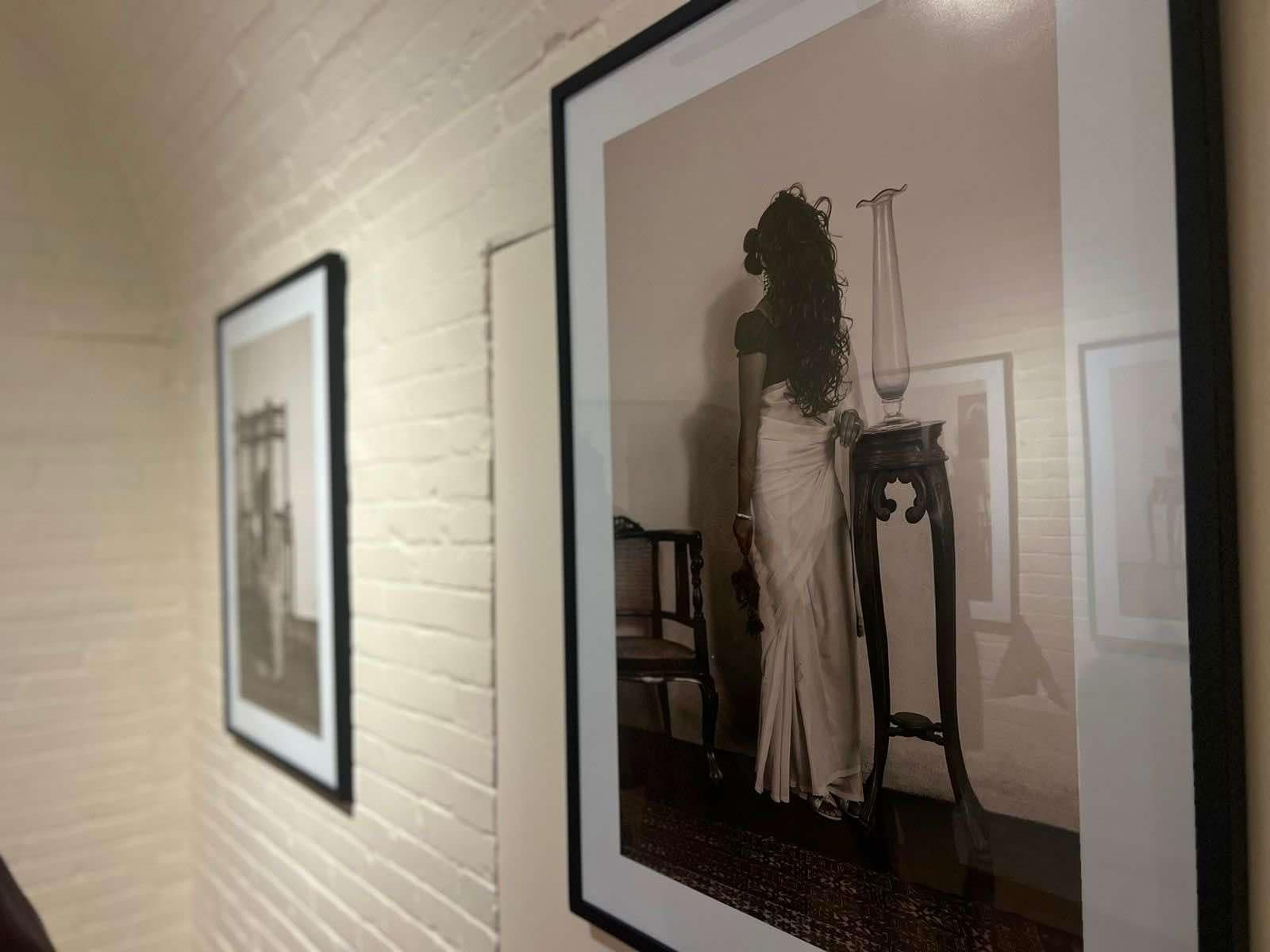
The artists include Anita Dubey, Mithu Sen, Sheba Chachchi, and Pushpmala from India; Ashmina Ranjit, Bidhata KC, and Uma Bisht from Nepal; Anoli Pereira from Sri Lanka; Naiza Khan from Pakistan; and Taiba Begum Lipi from Bangladesh. Through their art, the artists aim to challenge traditional gender roles and highlight the autonomy of women and the impact of social structures.
Namita Saraf, founder-director of the Saraf Foundation and Taragaon Next, said that the exhibition aims to connect issues related to women's rights in Nepal with the struggles for women's rights in South Asian countries.
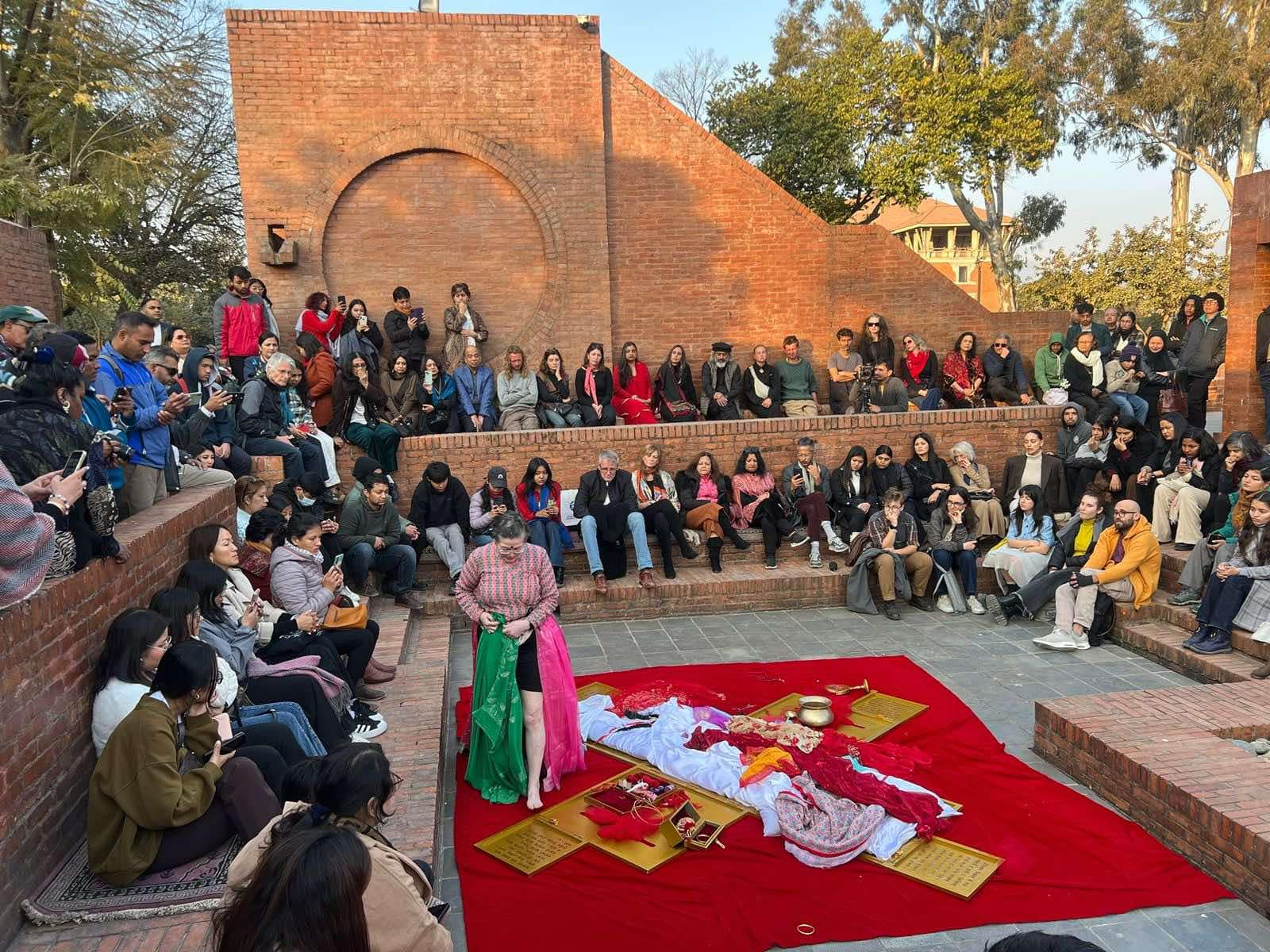
On the first day of the exhibition, Ashmina Ranjit's work titled "Sita the Ideal Wife 2025" was presented. Ranjit explained that the piece aims to convey how Brahmanical patriarchy keeps women constrained, criticizing the tradition of "Kanyadaan" in marriages, which deprives women of their rights and freedom. Writer and activist Sarita Pariyar, a participant in the exhibition, emphasized that understanding caste systems is necessary to comprehend gender.
The exhibition also includes works exploring contemporary issues. Pushpmala N's "Abhega–The Pious One 2012" challenges traditional portrayals of female characters in the Ramayana and highlights their empowered aspects.
Additionally, Taiba Begum Lipi's work depicts the complexities of marriage and violent tendencies, while Uma Bisht presents the struggles of Nepali women, criticizing the Chaupadi tradition. The exhibition charges Rs. 200 for students and Rs. 300 for other visitors.